Spina bifida / meningocele / myelomeningocele surgery in Faridabad, Haryana is a highly specialized pediatric neurosurgical treatment for congenital spinal defects present at birth. Dr. Bhoopendra Foujdar, a leading brain and spine surgeon in Faridabad, provides advanced surgical care for these conditions using modern techniques aimed at protecting the spinal cord, preventing complications, and improving long-term outcomes.
These conditions affect the development of the spine and spinal cord, and early surgical intervention is crucial to prevent infection, nerve damage, and disability.
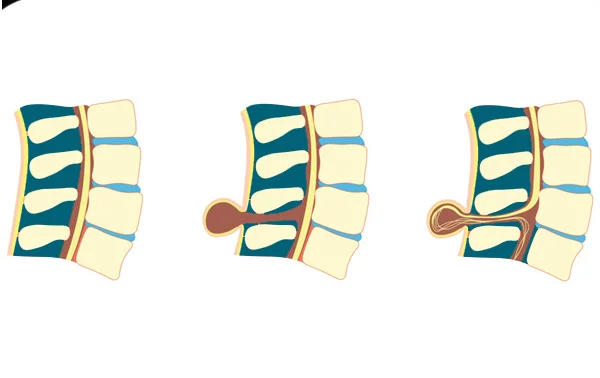
These are types of neural tube defects where the spine does not form properly during pregnancy.
Spina Bifida
General term for incomplete spinal development
Meningocele
Protective membranes protrude through a spinal opening
Myelomeningocele (Severe Form)
Spinal cord and nerves protrude outside the body
Most serious type requiring urgent surgery
Protect exposed spinal cord and nerves
Prevent infection
Preserve neurological function
Improve quality of life
These conditions occur during early pregnancy when the neural tube fails to close completely.
Folic acid deficiency during pregnancy
Genetic factors
Maternal diabetes or obesity
Certain medications during pregnancy
Unknown causes
Visible sac or opening on the back
Weakness or paralysis in legs
Loss of bladder or bowel control
Difficulty walking
Orthopedic deformities
Developmental delays
Severity depends on the type of defect.
Surgical Procedure Includes:
Closing the spinal defect
Protecting exposed nerves
Preventing infection
Physiotherapy and rehabilitation
Urological care
Long-term neurological follow-up
Dr. Bhoopendra Foujdar ensures timely and precise surgical intervention to improve outcomes and reduce complications.
Dr. Foujdar is a trusted expert for spina bifida surgery in Faridabad, Haryana, especially in complex pediatric cases.
AIIMS New Delhi trained neurosurgeon
13+ years of experience
Expertise in pediatric and spine surgery
5000+ successful surgeries
Advanced surgical techniques
Multidisciplinary care approach
Compassionate and family-centered care
High-resolution MRI & CT imaging
Advanced operating microscopes
Neonatal intensive care support
Intraoperative monitoring
These technologies ensure safe surgery and better outcomes.
Hospital stay: 5–10 days
Long-term rehabilitation required
Improved survival and quality of life
Early surgery leads to better neurological outcomes
It cannot be completely cured, but surgery helps manage the condition and prevent complications.
Usually within the first few days after birth for best outcomes.
It depends on severity. Some children can walk with support, while others may need assistance.
It is a complex procedure but safe when performed by an experienced neurosurgeon.
Folic acid intake during pregnancy can significantly reduce the risk.


