Arnold Chiari malformation surgery in Faridabad, Haryana is an advanced neurosurgical procedure performed to treat a structural defect in the brain where brain tissue extends into the spinal canal. Dr. Bhoopendra Foujdar, a leading brain and spine surgeon in Faridabad, provides expert diagnosis and surgical treatment for Chiari malformation using modern techniques that ensure safety, precision, and long-term relief.
This condition can lead to pressure on the brain and spinal cord, causing neurological symptoms that may worsen over time if left untreated. Early intervention helps prevent complications and improves quality of life.
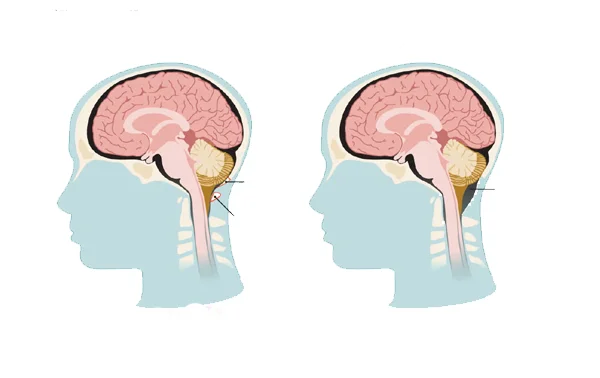
Arnold Chiari malformation surgery is performed to relieve pressure on the brain and spinal cord caused by the downward displacement of brain tissue into the spinal canal.
The lower part of the brain (cerebellum) extends into the spinal canal
This disrupts normal flow of cerebrospinal fluid (CSF)
Leads to pressure and neurological symptoms
Relieve pressure on brain and spinal cord
Restore normal CSF flow
Reduce symptoms and prevent progression
Arnold Chiari malformation is usually a congenital condition (present at birth), though it can also develop later in life due to injury or fluid-related issues.
Congenital structural defects in the skull
Reduced space in the posterior skull region
Genetic factors
Trauma or injury
CSF flow abnormalities
Symptoms may vary depending on severity:
Headaches (especially at the back of the head)
Neck pain
Dizziness and balance issues
Difficulty swallowing
Numbness or weakness in limbs
Problems with coordination
Sleep disturbances
Symptoms may gradually worsen over time if untreated.
Observation for mild cases
Medications for pain management
Posterior Fossa Decompression Surgery
Removes a small portion of bone to create space
Relieves pressure on brain and spinal cord
Improves CSF flow
Monitoring and follow-up imaging
Physiotherapy (if required)
Long-term neurological evaluation
Dr. Bhoopendra Foujdar uses advanced microsurgical techniques to ensure safe decompression with minimal complications.
Dr. Foujdar is a trusted specialist for Arnold Chiari malformation surgery in Faridabad, Haryana, known for his precision and patient care.
AIIMS New Delhi trained neurosurgeon
13+ years of experience in brain and spine surgery
5000+ successful neurosurgical procedures
Expertise in complex brain and skull base surgeries
Advanced surgical technology
High success rate with improved patient outcomes
Compassionate and patient-focused approach
High-resolution MRI for accurate diagnosis
Microsurgical techniques for precision
Intraoperative neuromonitoring
Advanced operating microscopes
These technologies help in safe and effective surgical outcomes.
Hospital stay: 3–5 days
Gradual improvement in symptoms
Recovery over a few weeks
Long-term relief in most patients
Early treatment leads to better recovery and prevents complications.
Yes, if untreated, it can lead to neurological complications, but surgery is highly effective.
No, mild cases may only need monitoring, while severe cases require surgery.
Success rates are high, especially when performed by experienced neurosurgeons.
Most patients recover within a few weeks, depending on the severity.
In most cases, symptoms improve significantly, but regular follow-up is important.


