Hydrocephalus surgery in Faridabad, Haryana is an advanced neurosurgical procedure used to treat the abnormal accumulation of cerebrospinal fluid (CSF) in the brain. Dr. Bhoopendra Foujdar, a leading brain and spine surgeon in Faridabad, provides specialized treatment for hydrocephalus using modern techniques like VP shunt and endoscopic third ventriculostomy (ETV).
Hydrocephalus can affect both children and adults and, if left untreated, can lead to increased brain pressure, neurological damage, and serious complications. Timely surgical intervention ensures effective relief and improved quality of life.
Hydrocephalus surgery is performed to reduce excess fluid buildup in the brain and restore normal pressure.
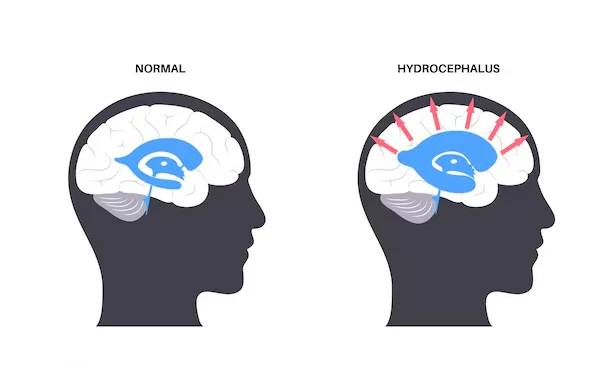
It is a condition where CSF accumulates in brain cavities (ventricles)
This leads to increased pressure inside the skull
VP Shunt (Ventriculoperitoneal Shunt)
A tube is placed to drain excess fluid from the brain to the abdomen
ETV (Endoscopic Third Ventriculostomy)
A minimally invasive procedure creating a new pathway for fluid flow
Hydrocephalus occurs when there is an imbalance between the production and absorption of cerebrospinal fluid or a blockage in its flow.
Congenital defects (present at birth)
Brain infections (meningitis)
Brain tumors
Head injury or trauma
Brain hemorrhage
Age-related conditions
Persistent headaches
Nausea and vomiting
Difficulty in walking
Memory problems
Blurred vision
Enlarged head size
Irritability
Poor feeding
Delayed development
Symptoms may worsen if not treated in time.
VP Shunt Surgery
Diverts excess fluid to another part of the body
ETV Surgery
Creates a natural drainage pathway inside the brain
Regular follow-up
Monitoring shunt function
Rehabilitation if required
Dr. Bhoopendra Foujdar selects the most suitable procedure (VP Shunt or ETV) based on the patient’s condition.
Dr. Foujdar is a trusted expert for hydrocephalus surgery in Faridabad, Haryana, known for delivering safe and effective outcomes.
AIIMS New Delhi trained neurosurgeon
13+ years of experience
Expertise in pediatric and adult neurosurgery
5000+ successful surgeries
Advanced endoscopic and minimally invasive techniques
High success rate in CSF-related disorders
Patient-centered and ethical care
Endoscopic neurosurgical equipment
High-resolution MRI & CT imaging
Neuronavigation systems
Advanced operating microscopes
These technologies ensure accurate diagnosis and safe surgical outcomes.
Hospital stay: 2–5 days
Quick relief from symptoms
Regular monitoring required
Excellent long-term outcomes with proper care
Yes, it is a well-established and safe procedure when performed by an experienced neurosurgeon.
It depends on the patient’s condition. Your doctor will recommend the best option.
It can be effectively managed with surgery, though follow-up is important.
Shunts can last for many years but may require monitoring or replacement.
Most patients recover within a few weeks with proper care.


