
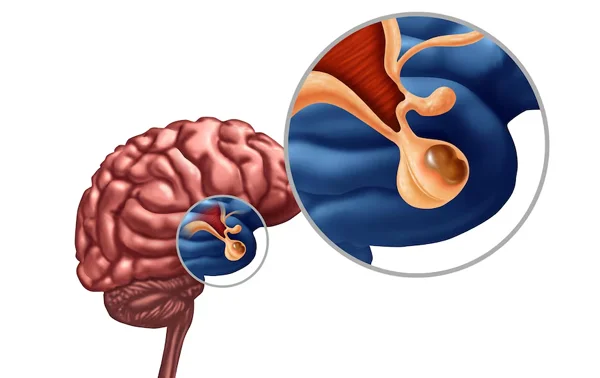
Endoscopic pituitary surgery in Faridabad, Haryana is an advanced and minimally invasive neurosurgical procedure used to treat tumors of the pituitary gland with high precision and safety. Performed by Dr. Bhoopendra Foujdar, a leading brain and spine surgeon in Faridabad, this technique allows surgeons to access and remove pituitary tumors through the nasal passage without the need for large incisions.
This modern surgical approach has revolutionized the treatment of pituitary tumors by offering faster recovery, minimal pain, no visible scars, and reduced complications, making it the preferred choice for patients across Faridabad and Delhi NCR.
Endoscopic pituitary surgery is a highly specialized procedure performed using an endoscope—a thin, flexible tube with a camera and light—inserted through the nose to reach the pituitary gland located at the base of the brain.
Unlike traditional open brain surgery, this technique:
Does not require opening the skull
Provides a magnified, high-definition view of the surgical area
Allows precise tumor removal with minimal damage to surrounding tissues
No external cuts or scars
Less postoperative pain
Shorter hospital stay
Faster return to normal life
Lower risk of complications
Pituitary tumors develop when there is uncontrolled growth of cells in the pituitary gland, which is responsible for regulating hormones in the body. These tumors are usually benign (non-cancerous), but they can still cause significant health problems due to pressure on nearby structures or hormonal imbalances.
The pituitary gland controls vital functions such as:
Growth and metabolism
Thyroid function
Reproductive hormones
Stress response
Even a small tumor can disrupt these functions, leading to multiple symptoms.
The exact cause of pituitary tumors is often unknown, but several factors may contribute:
Genetic mutations affecting cell growth
Family history of endocrine disorders
Hormonal imbalances
Rare inherited conditions (like MEN syndrome)
Unknown spontaneous cellular changes (most common)
Symptoms depend on the size of the tumor and whether it affects hormone production or nearby structures like the optic nerves.
Persistent headaches
Blurred or double vision
Loss of peripheral vision
Hormonal imbalance
Irregular menstrual cycles in women
Infertility issues
Unexplained weight gain or loss
Fatigue and weakness
Growth abnormalities (in some cases)
In many patients, symptoms develop gradually and may be ignored initially, which is why early diagnosis is important.
Treatment of pituitary tumors depends on the type, size, and impact of the tumor.
Endoscopic pituitary surgery for tumor removal
Hormone-regulating medications
Radiation therapy (for residual or recurring tumors)
Regular follow-ups with imaging and hormone testing
Dr. Bhoopendra Foujdar uses advanced endoscopic techniques combined with high-precision surgical tools to ensure complete tumor removal while preserving normal gland function.
Short hospital stay (2–4 days in most cases)
Minimal pain and discomfort
Quick return to daily activities
Regular follow-up for hormone balance
Choosing the right neurosurgeon is crucial for successful treatment. Dr. Bhoopendra Foujdar is one of the most trusted specialists for endoscopic pituitary surgery in Faridabad, Haryana.
AIIMS New Delhi trained neurosurgeon
13+ years of experience in brain and spine surgery
5000+ successful neurosurgical procedures
Expertise in minimally invasive and endoscopic brain surgery
Advanced technology and modern surgical infrastructure
High success rate with excellent patient outcomes
Personalized, ethical, and patient-focused care
His approach ensures maximum safety, precision, and faster recovery for every patient.
Yes, it is a highly safe and advanced procedure when performed by an experienced neurosurgeon. It has a lower risk of complications compared to traditional open surgery.
No, the surgery is done through the nasal passage, so there are no external cuts or visible scars on the face or head.
Most patients recover within a few weeks. Normal activities can usually be resumed within 1–2 weeks, depending on the individual condition.
Some small tumors can be managed with medication, but larger tumors or those causing symptoms often require surgical removal.
In many cases, hormone levels improve after tumor removal. However, some patients may need long-term hormone therapy and follow-up care.


